Understanding Fertiliser Limits and Soil Sampling for Irish Farms
Understanding how much fertiliser you can buy is essential not just for maximising grass growth, but also for staying compliant with current regulations.
National Fertiliser Database – Your Key Resource
Around 95% of Irish farmers are now signed up to the National Fertiliser Database, which records all fertiliser purchases and sales, including lime and concentrates. This database helps farmers avoid overuse penalties and ensures compliance with farm nutrient management regulations.
Knowing your stocking rate in kg N/ha is critical. This figure reflects the intensity of your farming system and is the basis for many environmental regulations.
How Stocking Rate is Calculated
Stocking rate is the total annual nitrogen excreted by grazing livestock, averaged over the net grassland area (grazing plus silage area).
Example: A farm with 60 acres (24.3 ha) running 22 cows, 21 calves, 21 yearlings, and a stock bull for the full year would have a stocking rate of 132 kg N/ha.
Farmers can access bovine figures via Agfood, while ovine and equine excretions need to be calculated manually and added.
- Lowland ewe + lamb(s): 13 kg N/year
- Lowland hogget: 6 kg N/year
- Horse >3 years: 50 kg N/year
Soil Sampling – A Must for Compliance
From 1st January 2023, farms exceeding 130 kg N/ha must carry out soil sampling. Without soil analysis, an Index 4 for Phosphorus (P) will be assumed. Farms without soil samples cannot use P fertiliser or imported organic manures, meaning compounds like 18-6-12, 10-10-20, or 24-2.5-10 are off-limits.
The key principle is: “You can’t manage what you don’t measure.” Fertiliser application should be based on the nutrients available in the soil. Phosphorus, potassium, and trace elements are all determined via soil analysis. Existing soil tests are valid for four years and should cover areas no larger than 5 ha (12 acres).
Historically, some farmers applied the same fertiliser compounds year after year without checking soil levels. Today, this approach risks exceeding permitted P levels and incurring penalties.
Discover our
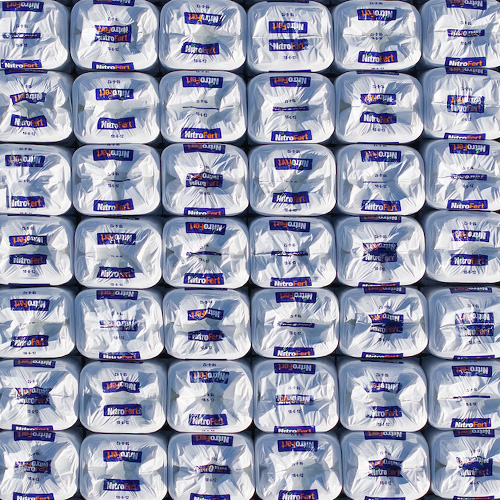
NitroFert Fertilisers
For over 25 years, NitroFert has been a leading supplier of fertiliser in Ireland. We manufacture and distribute a complete range of fertilisers to the agricultural industry.
We also provide specific customised blends according to customer requirements. Please contact us with any queries you may have about our products and blends.
 Sign up to our newsletter for the latest news, farming tips and guidance.